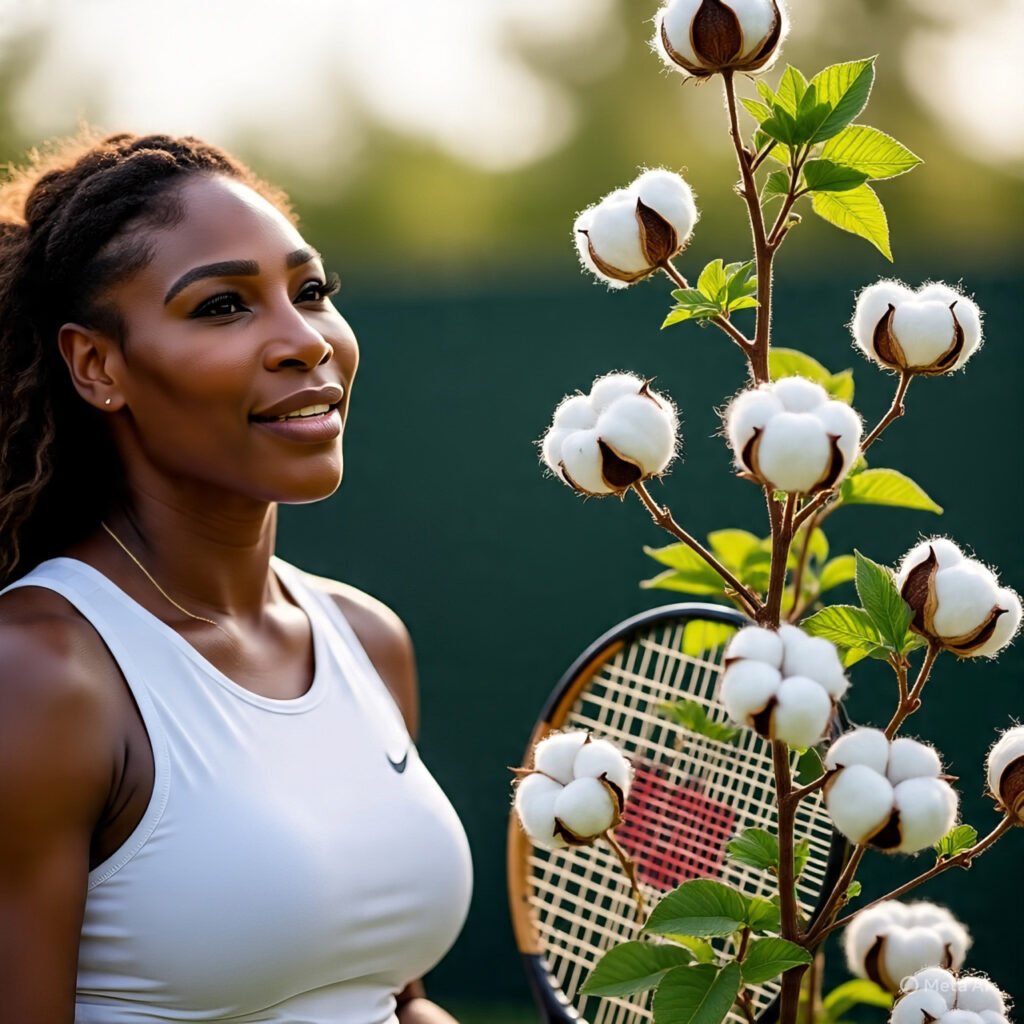

Serena Williams is globally known as one of the greatest tennis players of all time, but her influence goes far beyond sports. In recent years, she has shown strong interest in sustainability, ethical business, and agriculture-related investments, including areas connected to the cotton plant. The cotton plant plays a major role in global fashion, farming, and environmental discussions, making Serena Williams’ involvement especially meaningful.
This article explores the connection between Serena Williams and cotton plant initiatives, focusing on sustainability, economic impact, and the broader message behind her business choices.
Serena Williams’ Interest in Sustainable Agriculture
After building a legendary sports career, Serena Williams expanded her focus to entrepreneurship through Serena Ventures, an investment firm that supports innovative and socially responsible businesses. Many of these businesses emphasize sustainability, environmental care, and ethical supply chains, which directly relate to how cotton plants are grown and processed.
Cotton is one of the most widely used natural fibers in the world, but traditional cotton farming often requires large amounts of water, pesticides, and land. Sustainable cotton plant practices aim to reduce these negative effects while supporting farmers and ecosystems.
Serena Williams’ interest in sustainability aligns with global efforts to improve how cotton plants are cultivated and used in fashion and textiles.
The Importance of the Cotton Plant in Fashion and the Environment
The cotton plant is essential to the global clothing industry. From everyday T-shirts to luxury fashion, cotton remains one of the most popular fibers. However, conventional cotton farming can contribute to:
- Soil degradation
- Excessive water use
- Chemical pollution
Sustainable cotton plant farming focuses on organic methods, regenerative agriculture, and fair labor practices. By supporting businesses that value these methods, public figures like Serena Williams help bring attention to better alternatives.
Her influence encourages brands and consumers to think more carefully about where cotton comes from and how it affects the planet.
Serena Williams’ Influence on Ethical Cotton Awareness
While Serena Williams may not personally own cotton farms, her investment choices and public advocacy amplify conversations around ethical production. Through fashion collaborations and business investments, she supports companies that prioritize:
- Responsible sourcing of raw materials
- Reduced environmental impact
- Transparency in supply chains
This indirect connection to the cotton plant shows how celebrities can drive change without being farmers themselves. By backing sustainable brands, Serena Williams helps reshape how cotton is valued—from seed to finished product.
Economic and Social Impact of Sustainable Cotton Plants
Sustainable cotton farming benefits not only the environment but also farming communities. Improved cotton plant practices can increase soil health, reduce farming costs, and provide long-term income stability for growers.
When influential investors support such models, it creates opportunities for small farmers and promotes ethical labor standards. Serena Williams’ business approach highlights the idea that profit and responsibility can coexist.
Pros and Cons of Sustainable Cotton Plant Initiatives
Pros
- Environmental protection: Reduced water usage and fewer chemicals
- Better soil health: Regenerative cotton plant methods improve long-term fertility
- Farmer support: Fair wages and safer working conditions
- Positive brand image: Companies gain trust from eco-conscious consumers
- Celebrity influence: Serena Williams’ involvement increases awareness and demand
Cons
- Higher production costs: Sustainable cotton can be more expensive initially
- Limited availability: Not all regions can easily adopt eco-friendly methods
- Slower transition: Traditional cotton farming systems take time to change
- Consumer price impact: Products made from sustainable cotton may cost more
Conclusion
The connection between Serena Williams and the cotton plant represents more than a business trend—it reflects a growing movement toward sustainability and ethical responsibility. Through smart investments and public influence, Serena Williams helps highlight the importance of improving how cotton plants are grown and used.
As consumers become more aware of environmental issues, sustainable cotton initiatives supported by influential figures can play a major role in shaping the future of fashion and agriculture. Serena Williams’ involvement sends a clear message: success can be powerful when it supports people, the planet, and long-term progress.



wow that amazing